
Being tethered to a medical device often feels like a life sentence to bed rest. Nevertheless, the modern reality of negative pressure wound therapy might surprise you. Can you truly balance a professional career with the demands of a machine-assisted recovery? Discover the secrets to navigating your routine and why a Wound Care Specialist in Brooklyn, NY is the vital bridge between healing and living.
Treatment help Wound Care Specialist in Brooklyn, NY
TL;DR:
Modern portable Wound Vac (NPWT) systems allow patients to maintain their professional and daily routines rather than being confined to bed rest. Success depends on adopting deliberate movement patterns to protect the essential airtight dressing seal and coordinating work responsibilities around clinical therapy schedules.
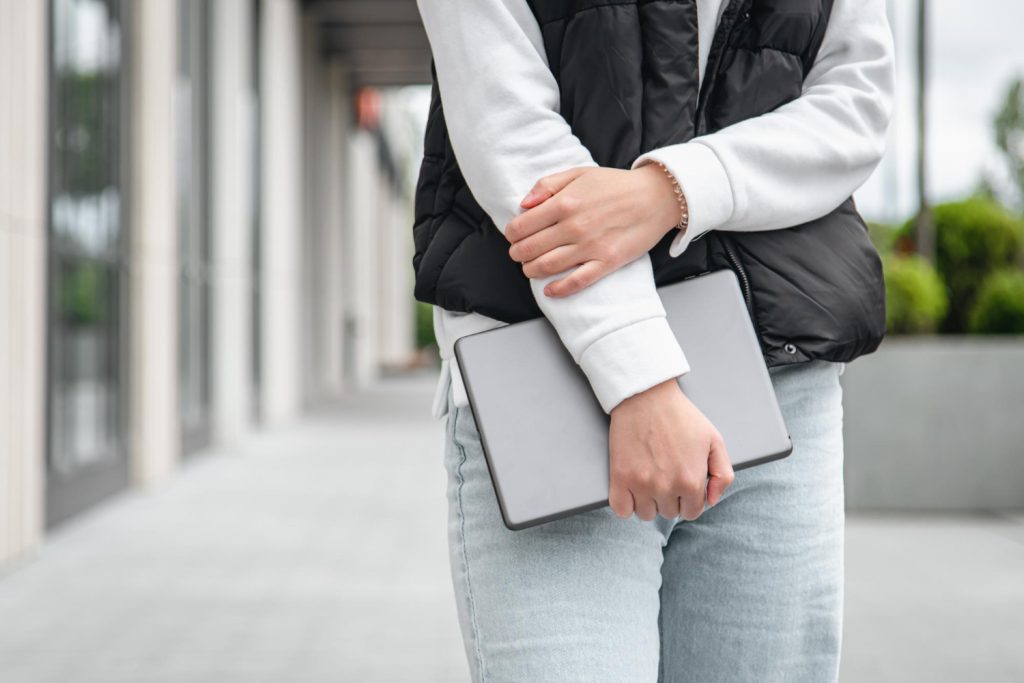
How Does a Wound Vac Impact Daily Mobility?
A wound vac, also known as negative pressure wound therapy (NPWT), can influence daily mobility in both limiting and supportive ways. While the presence of tubing, dressings, and a suction device may restrict certain movements, especially if the wound is near a joint, modern systems are designed to be portable, allowing patients to remain active rather than being confined to bed.
The system uses a sealed dressing and a pump to apply controlled pressure to the wound to promote healing. Because this setup must remain intact, patients must be mindful of their movements; activities such as bending, stretching, or sudden motions risk disrupting the seal. Although mobility may be slower or more deliberate, it is often encouraged to support circulation and overall recovery.
Manage Device Setup and Portable Pump Usage
Managing therapy begins with comprehending how the components, including the foam dressing and airtight adhesive covering, work together with the pump. Portable, battery-operated pumps allow for significantly more freedom than stationary systems.
- Portability: Patients can carry or wear the pump using a belt, strap, or small case, which supports daily activities like walking or attending appointments.
- Maintenance: It is essential to keep the device upright and ensure the tubing is never kinked or pulled.
- Daily Routine: Monitoring battery life, ensuring the canister is not overfilled, and responding to device alarms are practical tasks that influence how confidently a patient moves throughout the day.
Adapt Movement While Keeping Dressing Secure
Movement adaptation is vital because the effectiveness of the therapy depends entirely on maintaining an airtight, sealed environment. Any disruption to the seal can compromise the treatment.
Patients often need to modify how they sit, stand, or lie down to avoid placing direct pressure on the wound or pulling the dressing. If the wound is located on a limb, elevating the area or avoiding excessive bending may be necessary. Movements should remain controlled and deliberate to prevent the accidental dislodgement of the adhesive dressing or tubing. Over time, most individuals establish safe movement patterns that allow them to remain active without risking the integrity of the setup.
Plan Work Tasks Around Therapy Schedules
Daily responsibilities and work tasks must often be adjusted to accommodate NPWT requirements and therapy schedules. While the system typically runs continuously, maintenance and dressing changes require advanced planning.
| Consideration | Impact on Daily Planning |
| Dressing Changes | Usually occurring every few days, these sessions may cause temporary fatigue or discomfort. |
| Activity Level | Lighter activities should be scheduled immediately following a dressing change. |
| Work Environment | Jobs involving heavy lifting, prolonged standing, or exposure to contaminants may require specific modifications. |
Maintain Hygiene and Dressing Integrity During Activity
Maintaining hygiene requires extra care because the dressing must remain dry and sealed at all times. Activities such as bathing or exercising must be adapted accordingly. Patients are typically advised to use protective coverings during showers and to avoid submerging the device entirely.
Furthermore, sweat and moisture can weaken the adhesive seal, so it is important to stay cool and dry during physical activity. If a dressing becomes loose or compromised, it must be reinforced or replaced immediately to maintain effective negative pressure. Because NPWT systems are closed environments, they can reduce contamination risks, but this benefit is entirely dependent on maintaining the dressing’s integrity during daily movements.
Monitor Comfort Levels and Pressure Settings Throughout the Day
Comfort is a primary factor that influences how much a patient moves while using a wound vac. It is common to experience sensations such as pulling or mild pressure, particularly when the device is first applied or during movement. Discomfort may increase with certain intermittent modes or higher pressure settings.
Healthcare providers typically prescribe pressure settings ranging between −75 and −125 mmHg. Patients should stay attentive to their comfort levels and report any increased pain or unusual sensations, as these can indicate problems with the dressing, the pressure level, or the wound itself. Ongoing monitoring is essential, as prolonged therapy can sometimes impact a patient’s overall quality of life. By balancing device performance with physical comfort, patients can better maintain their daily functioning while supporting the healing process.
Key Takeaways:
- Modern Portability and Daily Mobility Negative pressure wound therapy has evolved beyond bed rest through portable, battery-operated systems that allow patients to remain active during recovery. While tubing and dressings may restrict some movements near joints, physical activity is generally encouraged to support the circulation necessary for healing.
- Maintaining Device and Dressing Integrity The effectiveness of therapy depends entirely on maintaining an airtight, sealed environment at all times to ensure consistent negative pressure. Patients must modify daily actions like sitting and standing to prevent placing direct pressure on the wound or accidentally pulling the dressing.
- Professional and Workplace Adaptations Balancing a career with a wound vac requires coordinating daily tasks and specific work environments around clinical therapy schedules. Modification of physically demanding duties, such as avoiding heavy lifting or exposure to contaminants, ensures that the healing process remains uninterrupted.
- Hygiene and Physical Activity Precautions Maintaining hygiene requires significant care because dressings must remain completely dry and sealed during daily activities like bathing. Patients should use protective covers during showers and work to stay cool, as sweat and moisture can weaken the adhesive bond.
- Monitoring Comfort and Device Performance Patients must stay attentive to their physical comfort and device alarms throughout the day to ensure the system is performing optimally. Prescribed pressure settings, typically between −75 and −125 mmHg, may cause normal sensations of pulling or mild pressure during movement.
FAQs:
What is a wound Vac?
A wound vac, also known as negative pressure wound therapy (NPWT), is a system that promotes healing by applying controlled pressure to a wound through a suction pump, tubing, and a sealed dressing. The system creates an airtight environment that supports circulation and overall recovery.
Can you take a shower with a wound vac on?
Yes, but bathing must be adapted to ensure the dressing remains dry and the airtight seal stays intact. You are typically advised to use protective coverings during showers and must strictly avoid submerging the device.
How long can a wound vac stay on without being changed?
Dressing changes typically occur every few days. The exact frequency for these changes depends on the specific wound type and the recommendations of your healthcare provider.
How serious is a wound vac?
A wound vac is designed to promote healing in wounds of varying severity by applying controlled negative pressure. While modern portable units allow patients to remain active rather than being confined to bed, the therapy requires careful management of the airtight seal and ongoing monitoring.
Sources.
Quacinella, M. A., Yong, T. M., Obremskey, W. T., & Stinner, D. J. (2023). Negative pressure wound therapy: Where are we in 2022?. OTA international : the open access journal of orthopaedic trauma, 6(4 Suppl), e247. https://doi.org/10.1097/OI9.0000000000000247
Zaver V, Marietta M, Kankanalu P. Negative Pressure Wound Therapy. [Updated 2026 Feb 21]. In: StatPearls [Internet]. Treasure Island (FL): StatPearls Publishing; 2026 Jan-. Available from: https://www.ncbi.nlm.nih.gov/books/NBK576388/
You May Also Like:
Who Is Eligible for Home Health Care Services Today
What is a Home Care Coordinator and What Do They Do?
What do Internal Medicine Doctors do For Adult Health Care?
Allhealth in Coney Island Avenue
1100 Coney Island Avenue,
2nd Floor, Brooklyn, NY 11230
Phone: (718) 942-4944
Email: IDD@allhealthdtc.com
Allhealth in East 13th Street
1655 East 13th Street,
Brooklyn, NY 11229
Phone: (718) 339-6900
Email: medical@allhealthdtc.com