
It’s one thing for your child to get sick once, but what if the fever keeps coming back? Many parents worry when they notice recurrent fever in childhood, especially when there’s no obvious cause. Is it just frequent infections, or something more? In this guide, we’ll explore what repeated fevers may mean and when it’s time to seek medical care.
Visit a primary care physician in a Brooklyn, NY clinic
TL;DR
Recurrent fever in children usually means multiple episodes over months with normal periods in between. Most cases are due to repeated viral or bacterial infections, especially in young children, but unusual patterns, persistent high temperature, warning symptoms, or fever in infants under three months require medical evaluation. Some cases are linked to genetic or immune-related conditions. Diagnosis involves history, physical exam, and tests to rule out serious causes. Treatment typically includes supportive care, with targeted therapy if an underlying condition is identified.
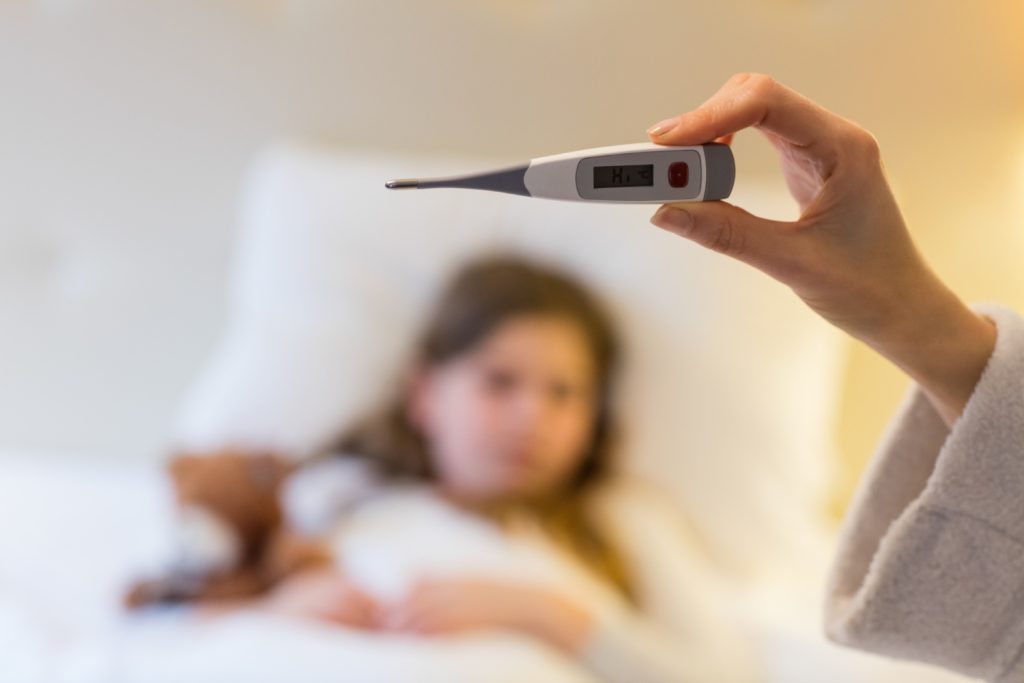
When should recurrent fever in children be a concern?
Recurrent fhigh temperature in children refers to multiple episodes of fever over time, with normal temperature in between. Many clinicians define it as three or more episodes within about six months, separated by periods without it. While high temperature itself is a normal immune response and most children experience several episodes each year from common viral illnesses, certain patterns may require medical evaluation.
Parents and caregivers should seek medical attention when episodes are frequent, unusual, or follow a regular pattern, especially if they last longer than expected for a typical viral illness. Concern also increases when a high temperature persists, spikes repeatedly, does not respond to usual measures, or lasts more than a few days.
Immediate evaluation is important if it is accompanied by warning signs such as lethargy, persistent vomiting, difficulty breathing, dehydration, or rash. Additionally, any high temperature in infants under 3 months of age requires prompt medical assessment.
Typical Symptoms Accompanying Recurrent Fever
Recurrent high temperature episodes often look similar to common childhood fevers, but they may repeat without a clear infection or obvious trigger. When the pattern continues over time, medical evaluation may be needed to better understand the cause.
Common symptoms that may accompany recurrent episodes include:
- Body temperature of 100.4°F (38°C) or higher
- Chills, sweating, or hot skin
- Fatigue or irritability, with children appearing less active than usual
- Reduced appetite or fluid intake
- Additional signs such as sore throat, cough, body aches, rash, swollen lymph nodes, or mouth sores
In some periodic high temperature conditions, the same group of symptoms may appear consistently with each episode.
Common Infections That Cause Recurrent Fever
Most recurrent high temperatures in children are caused by repeat infections rather than a single chronic illness. Children under age five commonly experience several viral illnesses each year because their immune systems are still developing, which can make separate infections appear as a recurring pattern.
Viral infections are the most frequent cause, including respiratory viruses such as RSV, influenza, and coronavirus variants. Some viruses, like Epstein-Barr virus, may trigger repeated high temperature episodes in certain children. Bacterial infections, including recurrent ear infections, sinusitis, or urinary tract infections, can also lead to repeated fevers, and some infections may be harder to detect.
In certain cases, parasites, travel-related exposures, or relapsing bacterial infections may cause cyclical fevers. Nevertheless, in many preschool and school-age children, recurrent episodes simply reflect distinct, separate illnesses rather than one ongoing condition.
Genetic and Immune-Related Causes of Fever
Not all recurrent fevers are caused by infections. In some children, repeated episodes are linked to genetic or immune system abnormalities, meaning the body’s immune response itself may be contributing to the high temperature pattern.
1. Periodic fever syndromes (Autoinflammatory disorders)
These conditions involve inherited or dysregulated immune responses that cause fevers to recur in cycles without a clear infection.
- PFAPA syndrome (Periodic Fever, Aphthous Stomatitis, Pharyngitis, and Adenitis) is one of the most recognized forms. Episodes often occur every few weeks and may include mouth sores and swollen lymph nodes.
- Other rarer conditions include Familial Mediterranean Fever (FMF), Hyperimmunoglobulinemia D syndrome, TNF receptor-associated periodic syndrome (TRAPS), and Cryopyrin-associated periodic syndromes (CAPS).
These disorders can be challenging to diagnose and often require specialist care.
2. Immune-mediated inflammatory diseases
Chronic inflammatory conditions, such as juvenile idiopathic arthritis or systemic lupus, may also present with recurrent high temperature as part of the disease process.
3. Other genetic immune disorders
Certain inborn errors of immunity can make children more prone to repeated high temperatures and infections, requiring further medical evaluation to identify the underlying issue.
How Doctors Diagnose the Underlying Cause
When a child experiences recurrent fevers with an unusual pattern or concerning symptoms, clinicians perform a systematic evaluation to determine the underlying cause.
The first step is a detailed medical history, which includes reviewing the onset and frequency of fevers, the pattern of recurrence, and associated symptoms. Doctors also ask about family history of similar conditions, as well as travel or animal exposures. This information helps distinguish between simple repeat infections and possible periodic or immune-related conditions.
A thorough physical examination follows. Clinicians assess growth and development and look for signs of chronic infection or inflammation. They check for enlarged lymph nodes, rash, joint swelling, and any abnormal abdominal or chest findings.
If needed, laboratory tests are ordered. Initial tests often include a complete blood count, inflammatory markers such as CRP and ESR, urine cultures, and specific infection screens. Depending on results, further testing may be recommended. Before diagnosing periodic syndromes, doctors work to exclude serious causes such as chronic infections, autoimmune diseases, or malignancies.
Treatment Options and Fever Management
Most childhood fevers, including recurrent episodes caused by common infections, are managed with supportive care at home. The goal is to keep the child comfortable while monitoring symptoms.
1. Supportive care for fevers
For many children, treatment includes:
- Plenty of rest and fluids
- Age-appropriate high temperature reducers such as acetaminophen or ibuprofen (following recommended dosages)
- Comfort measures like light clothing and cool compresses
Antibiotics or antivirals are used only when a specific infection is confirmed or strongly suspected.
2. Treating underlying causes
When an underlying condition is identified, treatment depends on the diagnosis.
- In periodic fever syndromes like PFAPA, short-course corticosteroids may be used during episodes, and tonsillectomy may reduce or eliminate episodes in selected cases.
- Immune or inflammatory conditions may require immunomodulators or disease-specific therapy under specialist guidance.
- Chronic or bacterial infections require appropriate antibiotics based on culture and sensitivity results.
3. Monitoring and follow-up
Parents are often encouraged to keep a fever diary recording dates, temperatures, symptoms, and treatments. This helps clinicians identify patterns and adjust evaluation and management as needed.
Key Takeaways.
- Definition and when to worry
Recurrent high temperature generally means three or more episodes within about six months, with normal temperatures in between. While many children have frequent viral fevers, concern increases with unusual patterns, prolonged high temperature, poor response to usual measures, or warning signs. - Common symptoms and infection-related causes
Recurrent episodes often resemble typical childhood fevers, with high temperature, chills, fatigue, and reduced appetite. Most cases are due to repeated viral or bacterial infections, especially in children under five. - Genetic and immune-related conditions
Some recurrent high temperatures stem from autoinflammatory or immune-mediated disorders rather than infections. Periodic syndromes, inflammatory diseases, and certain genetic immune disorders may cause cyclical or persistent high temperature patterns and often require specialist care. - Diagnosis involves systematic evaluation
Doctors begin with a detailed medical history and physical exam, followed by laboratory tests if needed. The goal is to distinguish common infections from immune or inflammatory conditions and to rule out serious causes before confirming a periodic syndrome. - Treatment depends on the underlying cause
Most high temperatures are managed with supportive care such as rest, fluids, and appropriate reducers. When an underlying condition is identified, treatment may include targeted medications, specialist therapy, or antibiotics.
You may also like
- Preventive Medicine vs Primary Care: What’s the Difference?
- What do Internal Medicine Doctors do For Adult Health Care
- Natural Ways to Lower Blood Pressure Quickly and Safely
FAQs:
Why is my kid getting fever again and again?
In many cases, children experience repeated viral or bacterial infections as their immune systems develop. These are often separate illnesses rather than one ongoing condition.
What can cause a recurrent fever?
Common causes include repeat viral infections, recurrent ear or urinary infections, and less commonly, genetic or immune-related conditions such as periodic high temperature syndromes or inflammatory diseases.
What causes relapsing fever in children?
Relapsing high temperature patterns can be caused by certain infections, including rare relapsing bacterial infections, or by periodic fever syndromes where episodes occur in cycles without a clear infection.
Is it normal for a child’s fever to go away and come back?
Yes, it can be normal if the child is experiencing separate infections over time. Nevertheless, frequent, patterned, or persistent fevers should be evaluated by a healthcare professional.
Sources.
Espahbodi, M., Edwards, K. M., Goudy, S. L., Penn, E. B., Jr, & Manthiram, K. (2024). Assessment of recurrent fever among children undergoing tonsillectomy. BMC pediatrics, 24(1), 835. https://doi.org/10.1186/s12887-024-05312-x
Trapani, S., Fiordelisi, A., Stinco, M., & Resti, M. (2023). Update on fever of unknown origin in children: focus on etiologies and clinical approach. Children, 11(1), 20. https://doi.org/10.3390/children11010020
Allhealth in Coney Island Avenue
1100 Coney Island Avenue,
2nd Floor, Brooklyn, NY 11230
Phone: (718) 942-4944
Email: IDD@allhealthdtc.com
Allhealth in East 13th Street
1655 East 13th Street,
Brooklyn, NY 11229
Phone: (718) 339-6900
Email: medical@allhealthdtc.com