
If you’ve ever wondered what not to eat when you have hypertension, you might be surprised by how many everyday foods quietly push your blood pressure higher. Some ingredients seem harmless, until you learn how powerfully they affect your heart. In this article, you’ll uncover the hidden dietary triggers most people overlook and the specific foods that could be sabotaging your blood pressure without you realizing it.
Speak with internists in Brooklyn for hypertension guidance.
TL;DR:
Many everyday foods can quietly raise blood pressure over time. High-sodium products, processed meats, ultra-processed foods, sugary drinks, and excessive alcohol are major contributors. Reducing sodium is particularly effective, as it directly affects fluid balance and vessel function. Adopting heart-friendly eating patterns such as DASH or Mediterranean diets, choosing whole foods, boosting potassium, and limiting added sugars and alcohol can meaningfully support healthier blood pressure.
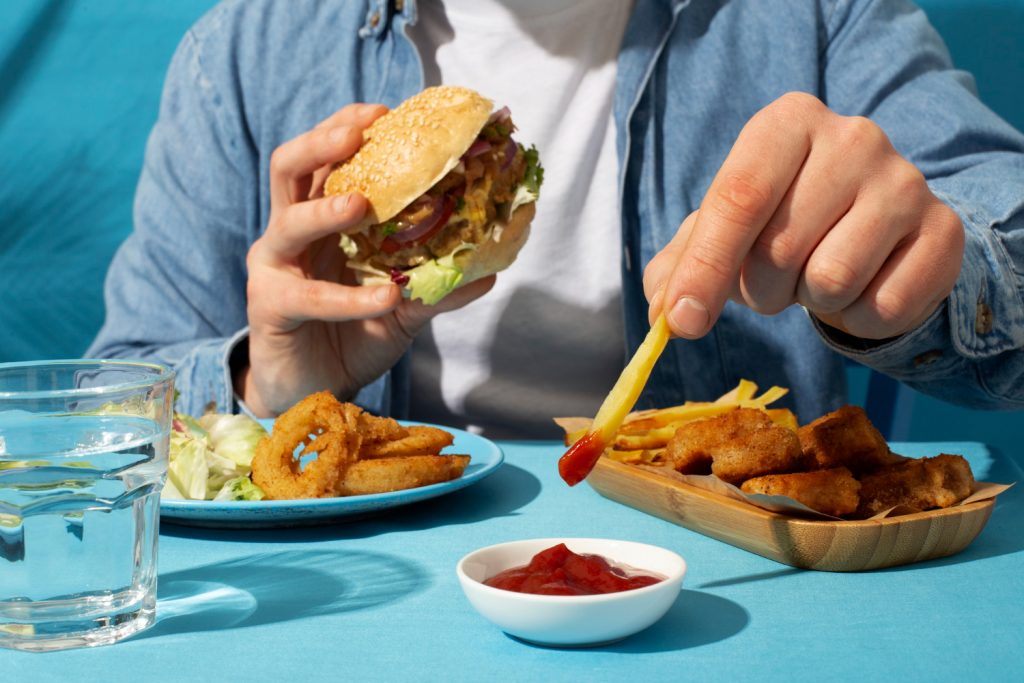
Foods That Can Raise Blood Pressure Levels
Certain foods and drinks can contribute to higher pressure, especially when consumed frequently or in large amounts. High-sodium foods are among the most significant contributors. Salt, canned soups, instant noodles, packaged sauces, and many condiments increase fluid volume and vascular resistance, leading to elevated pressure over time.
Processed and cured meats combine high sodium with preservatives. Multiple reviews link regular consumption of these meats to a higher incidence of hypertension. Similarly, ultra-processed foods (UPFs) like packaged snacks, sugary drinks, ready-to-heat meals, and certain breakfast cereals often contain excessive sodium, added sugars, saturated fats, and additives. This pattern has been associated with increased blood pressure and greater hypertension risk.
Other dietary factors also play a role. Sugary beverages and excess added sugar contribute to weight gain and insulin resistance, both of which can elevate blood pressure. Excessive alcohol use can directly raise pressure and interfere with treatments. Diets high in saturated and trans fats may worsen vascular health over time, indirectly increasing blood pressure.
Overall, it’s not single servings that typically cause long-term hypertension, but the habitual pattern of eating heavily processed foods, salty snacks, sugary drinks, processed meats, and drinking alcohol excessively. Reducing these foods can meaningfully support healthier blood pressure levels.
How Salt and Sodium Impact Hypertension
Comprehending how sodium influences blood pressure is essential for managing hypertension. Sodium doesn’t just season food, it affects the body’s fluid balance, blood vessels, and kidney function in ways that can steadily raise pressure. The main mechanisms below explain why lowering sodium intake is a core strategy in hypertension control.
- Water retention and increased blood volume:
Sodium holds water in the bloodstream, raising circulating volume. More volume means the heart must pump harder, which increases blood pressure. - Vascular and kidney effects:
High sodium intake contributes to vascular stiffness, affects endothelial function, and alters how the kidneys process sodium, all of which influence long-term pressure regulation. - Strong population and clinical evidence:
Research consistently shows that reducing sodium lowers both systolic and diastolic blood pressure, with greater benefits for individuals with hypertension, older adults, and some higher-risk ethnic groups.
Processed and Packaged Foods to Limit
Certain processed and packaged foods can significantly increase sodium, sugar, and unhealthy fat intake, making them important to limit when managing blood pressure. Many of these products contain hidden additives or large portion sizes that contribute to long-term hypertension risk.
- Canned soups and broths:
Frequently very high in sodium per serving, even when labeled as “light” or “low-fat.” - Processed and cured meats:
Items like ham, bacon, sausages, and salami contain substantial sodium and preservatives and are consistently linked with higher hypertension risk. - Ready meals and frozen dinners:
Ultra-processed options often contain elevated levels of sodium and saturated fat. - Snack foods and chips:
These products commonly pack concentrated sodium and, at times, unhealthy fats. - Fast food and restaurant meals:
Large portions, added sugars, and hidden sodium make them major contributors to overall sodium intake. - Sugar-sweetened beverages and fruit-flavored drinks:
Their added sugars promote weight gain and insulin resistance, which can raise blood pressure over time.
Healthy Alternatives for a Heart-Friendly Diet
Adopting an overall DASH-style or Mediterranean-style eating pattern is one of the most effective ways to lower high blood pressure. These approaches emphasize vegetables, fruits, whole grains, lean proteins, legumes, nuts, and low-fat dairy while limiting processed meats, sweets, and excess sodium. Strong clinical evidence shows these patterns significantly reduce systolic and diastolic blood pressure.
Choosing whole, minimally processed foods helps supply essential nutrients such as potassium, magnesium, and fiber, which counteract sodium’s effects and support healthier blood vessels. Replacing refined grains and ultra-processed foods with whole-food options also reduces hidden sodium, added sugars, and unnecessary calories that can affect blood pressure.
Boosting intake of potassium-rich foods supports blood pressure control by helping relax blood vessels and promoting sodium excretion. At the same time, replacing unhealthy fats with healthier fats from plant oils, fatty fish, and nuts contributes to better cardiovascular function and long-term heart health.
Lifestyle choices also play a main role. Reducing alcohol and added sugars, practicing portion control, and using smart swaps can greatly lower sodium, sugar, and unhealthy fat intake. These simple changes make a heart-friendly diet both achievable and sustainable.
Key Takeaways
- Many common foods can quietly raise blood pressure, especially those high in sodium, added sugars, unhealthy fats, or preservatives. Regular consumption of processed meats, ultra-processed foods, sugary drinks, and excessive alcohol contributes more to long-term hypertension than occasional servings.
- Sodium plays a major role in increasing blood pressure by causing water retention, raising blood volume, and affecting blood vessels and kidney function. Strong research shows that reducing sodium lowers both systolic and diastolic pressure, particularly in people already at higher risk.
- Processed and packaged foods are major sources of hidden sodium and unhealthy additives, including canned soups, cured meats, frozen meals, snack foods, fast food, and sweetened beverages.
- Heart-friendly dietary patterns like DASH or Mediterranean diets help lower blood pressure, emphasizing vegetables, fruits, whole grains, lean proteins, legumes, nuts, and low-fat dairy while limiting sodium and processed foods.
- Healthier food choices and simple daily swaps support long-term control, such as choosing whole foods, increasing potassium-rich options, replacing unhealthy fats, reducing alcohol and sugar intake, and watching portions.
FAQs:
What foods should be avoided in hypertension?
Avoid high-sodium foods, processed and cured meats, ultra-processed snacks and meals, sugary drinks, foods high in saturated or trans fats, and fast foods with hidden salt and added sugars.
What is the main enemy of high blood pressure?
Excess sodium is the primary driver, as it increases fluid retention, raises blood volume, and elevates blood pressure over time.
What can worsen high blood pressure?
Habitual intake of salty and processed foods, sugary beverages, saturated fats, and excessive alcohol can worsen blood pressure, especially when combined with low whole-food intake and poor dietary habits.
You may also like
- Which Clinical Manifestations Are Associated with Tuberculosis?
- How Often Should You See an Internist for Regular Check-ups?
- What Is the Meaning of Clinical Diagnosis in Healthcare?
Sources.
Barbosa, S. S., Sousa, L. C. M., de Oliveira Silva, D. F., Pimentel, J. B., Evangelista, K. C. M. S., Lyra, C. O., Lopes, M. M. G. D., & Lima, S. C. V. C. (2022). A Systematic Review on Processed/Ultra-Processed Foods and Arterial Hypertension in Adults and Older People. Nutrients, 14(6), 1215. https://doi.org/10.3390/nu14061215
Oladele, C. R., Khandpur, N., Johnson, S., Yuan, Y., Wambugu, V., Plante, T. B., Lovasi, G. S., & Judd, S. (2024). Ultra-Processed Food Consumption and Hypertension Risk in the REGARDS Cohort Study. Hypertension (Dallas, Tex. : 1979), 81(12), 2520–2528. https://doi.org/10.1161/HYPERTENSIONAHA.123.22341
Allhealth in Coney Island Avenue
1100 Coney Island Avenue,
2nd Floor, Brooklyn, NY 11230
Phone: (718) 942-4944
Email: IDD@allhealthdtc.com
Allhealth in East 13th Street
1655 East 13th Street,
Brooklyn, NY 11229
Phone: (718) 339-6900
Email: medical@allhealthdtc.com